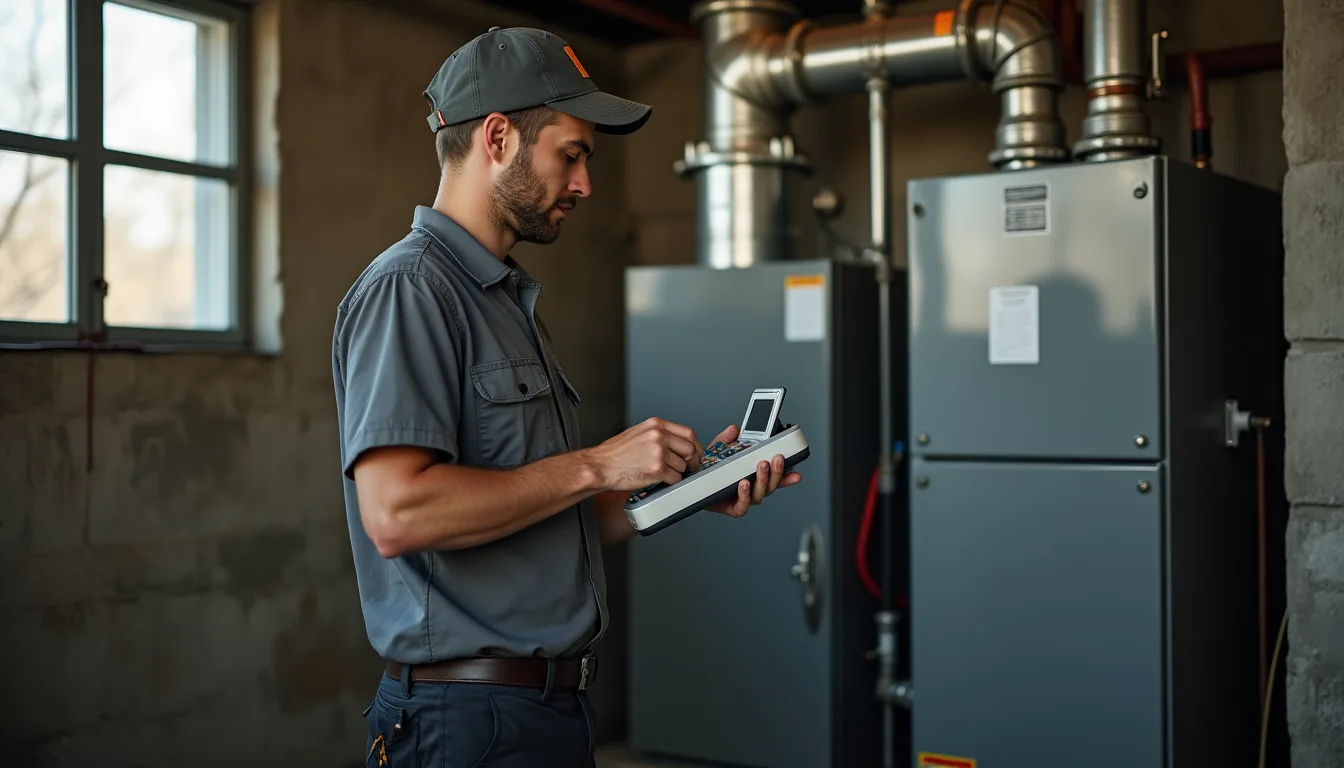
What to Do When Your HVAC System Breaks During a Fort Lauderdale Fall Storm
Published: 2026-04-28 · By PolarEdge AC Repairs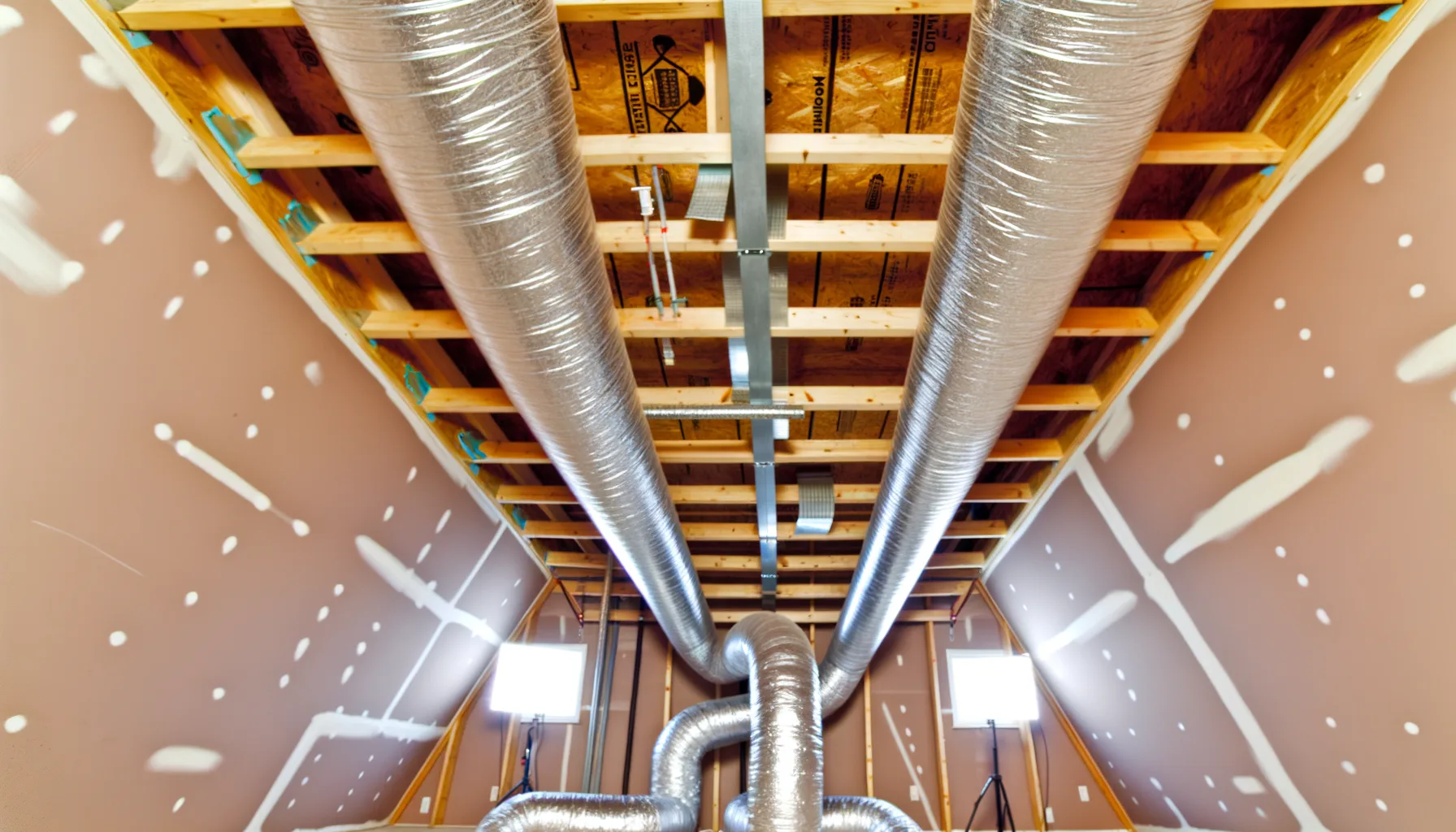
Imagine it's a typical wet afternoon in Fort Lauderdale, the air heavy with humidity, when suddenly your HVAC system decides to falter during a fall storm. This scenario is particularly unnerving for homeowners who rely on their cooling systems not just for comfort, but for maintaining indoor air quality amidst the challenging coastal climate. With tropical storms bringing persistent rainfall and gusty winds, having a functioning HVAC unit is paramount.
Why This Matters for Fort Lauderdale Homeowners
The struggle is real: when your cooling system fails in the midst of a Fort Lauderdale storm, the fallout can be significant. The combination of high humidity and salt air creates an environment where HVAC systems are susceptible to failures, especially older units. Julio, a homeowner in local Coral Ridge, can attest to this after his 15-year-old air conditioner broke down during an unexpected storm. Aside from discomfort, the risk of mold growth escalates when humidity levels climb and cooling is absent.
Also, high humidity paired with pressure changes can cause systems to short-cycle, leading to unnecessary wear and increased energy costs. Additionally, rust and corrosion, rampant in coastal areas leading to expensive repairs, can sabotage equipment lifespans. If you experience decreased airflow or unusual temperatures in your home, it may be a signal your unit needs immediate attention.
Expert Solutions & Actionable Tips
1. Regular Maintenance is Key
To ensure optimal performance from your HVAC, schedule routine maintenance at least twice a year. In Fort Lauderdale, an inspection typically costs between $100 to $200. Technicians can catch issues before storms exacerbate them, potentially saving you thousands in emergency repairs.
During these appointments, filters are replaced, and components are checked, allowing the system to sustain peak performance even during intense weather.
2. Upgrade Your HVAC System
If your air conditioner is over 10 years old, consider upgrading to a more energy-efficient model. With initial costs ranging from $3,500 to $8,000 depending on the system type, the return on investment comes from significantly reduced energy bills and maintaining comfort during storms.
New systems also come equipped with better moisture management features, making them more resilient against the humidity that Fort Lauderdale endures.
3. Utilize Smart Thermostats
Investing in a smart thermostat can help monitor and control humidity levels in your home. Devices like the Nest can cost around $250 to install but allow you to adjust settings remotely, ensuring your HVAC runs efficiently—even if you’re away from home.
Such technology provides alerts when issues arise, allowing you to intervene before severe weather degrades performance.
4. Assess Your Insulation
In a humid climate like Fort Lauderdale, proper insulation can make a tremendous difference in HVAC efficiency. Evaluating your insulation might cost between $1,500 and $3,000 if you need a full upgrade, but it can greatly reduce strain on your system during storms.
A well-insulated home can mitigate air leaks, making it easier for your HVAC unit to maintain stable temperatures.
5. Consider Seasonal Storm Preparation
Before a storm hits, it's wise to cover your outdoor units with tarps or protective covers to shield them from debris and salt spray. This proactive approach often costs under $50 but can save more costly repairs afterwards.
Ensure the covers are removed after the storm for proper ventilation to the units.
6. Invest in Surge Protectors
Power outages and surges that accompany tropical storms can wreak havoc on your HVAC system. Installing a surge protector professionally can incur a charge of around $300, yet it’s a small price compared to the potential costs associated with a fried AC unit.
Surge protectors help maintain the integrity of your equipment in times of unpredictable weather, providing peace of mind.
Fort Lauderdale Climate & Local Context
Fort Lauderdale's tropical climate is characterized by hot summers and high humidity, making effective HVAC systems essential for comfort and health. Homes often are elevated to prevent flood risks, yet equipment can still be damaged by the corrosive salt air endemic to coastal living. Understanding the architectural tilt and moisture barrier setup of local homes allows HVAC technicians to tailor solutions accordingly.
Moreover, local building codes dictate specific requirements for HVAC installations to handle the area's unique climatic challenges. Prioritizing code adherence can help mitigate issues stemming from storms, ensuring systems operate smoothly and effectively throughout fall’s tumultuous weather.
When to Call a Professional
While some HVAC issues might seem manageable, knowing when to enlist a professional like PolarEdge AC Repairs is crucial. If you notice any of the following signs, it’s time to call in the experts.
- Your AC is emitting strange noises
- There’s a pungent odor coming from the vents
- Humidity levels inside are rising despite cooling
- Ice or frost buildup is visible on the unit
- Your energy bill spiked unexpectedly
- Repeated cycles of starting and stopping without cooling
DIY attempts can be beneficial for minor tasks such as changing filters, but leaving complex repairs to professionals prevents further damage from misdiagnosis.
Frequently Asked Questions
What should I do if my HVAC stops working during a storm?
Call PolarEdge AC Repairs immediately at (954) 634-7121. We provide emergency services specifically tailored to handle Fort Lauderdale's unique climate challenges.
How often should I replace my HVAC filters?
In a humid environment like Fort Lauderdale, changing your HVAC filters every 1-3 months is recommended to maintain good airflow and efficiency.
What signs indicate I need to replace my HVAC system?
If your system is over 10 years old, frequently requires repairs, or struggles to cool your home effectively, it’s likely time for a replacement.
Are smart thermostats worth the investment?
Yes, smart thermostats can optimize your HVAC’s performance, reduce energy consumption, and give you remote control over your home climate, so they’re a wise investment.
How can I protect my outdoor HVAC unit from storms?
Cover your unit with protective tarps before a storm hits, and consider installing a surge protector to prevent damage from electrical storms.
Get Expert HVAC Service in Fort Lauderdale
Facing HVAC troubles during the unpredictable Fort Lauderdale fall storms doesn't have to feel overwhelming. PolarEdge AC Repairs is here to help ensure your home remains comfortable and safe through the stormy season. Don’t hesitate; call us today at (954) 634-7121 for fast, reliable service!
We specialize in local HVAC solutions that accommodate the specific needs of Fort Lauderdale homeowners.